

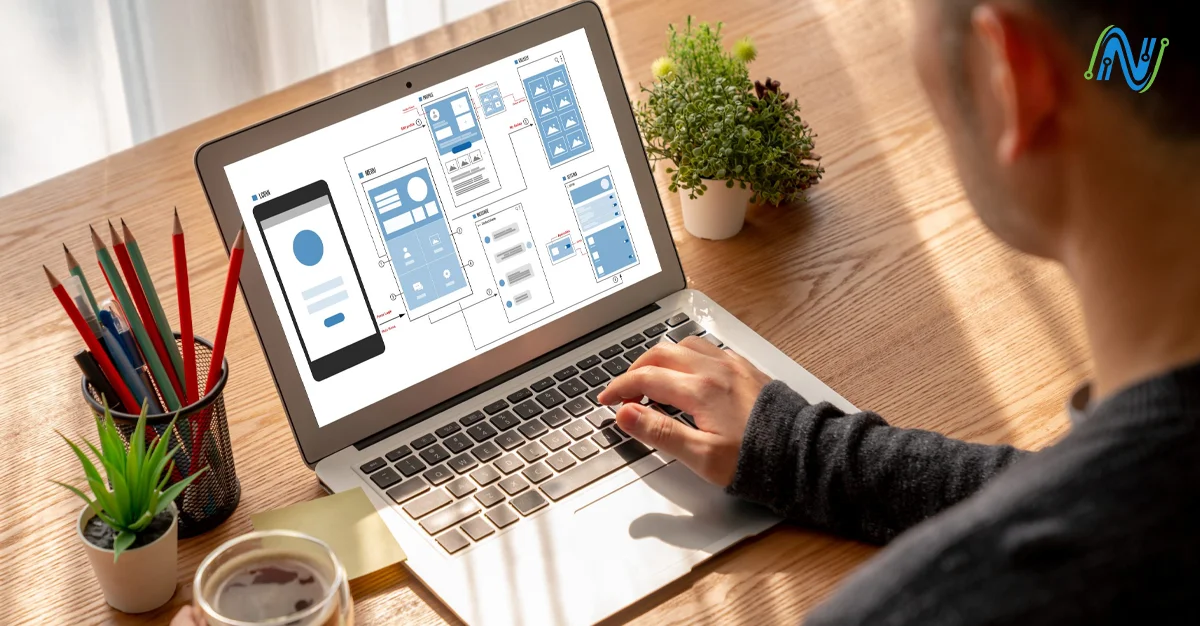
Websites and mobile applications are changing the expectations of users at a high rate. Modern users are demanding quick, appealing and convenient digital interactions. Companies that do not live up to these expectations usually have difficulties in maintaining users and turning visitors into purchasers. That is why keeping abreast of the best concepts of UI/UX design has become a necessity of the brands, startups, and digital product owners.
The design of UIs and UX is no longer about making a product look good. They concentrate on making things easier to use, access and to connect. With the changing technology, designers are now embracing the new designs to come up with a more fluent and meaningful interaction. This paper discusses the greatest UI/UX design trends that are defining digital experiences and enabling businesses to remain competitive.
Why UI/UX Design Trends are important to businesses
The UI/UX design trends influence the perceptions of a user towards a digital product. A handy and easy-to-use layout fosters trust and makes people spend more time on a website or an application. Users will feel confident using a platform and, therefore, will take action, which can be to sign up, make a purchase, or get in touch with a business.
User experience is also important to Google. Mobile-enabled sites, user-friendly sites with easy navigation and aesthetic consistency tend to be more successful in search engines. Adherence to the recent trends in UI/UX design is likely to enhance the engagement rates including the bounce rate, the length of the session, and the number of interactions with a page. This qualifies UI/UX design as a significant consideration not just to the users but also to the success of SEO.
Minimal and Simple Interface Design
Minimalism is still at the top of the list of the best trends in UI/UX design. Minimalist designs can allow users to concentrate on what is really important. Removing redundant features and making prudent use of space to enhance readability and usability is being done by designers.
Minimalism interface does not imply dull design. It is concentrated on clarity, balance and purpose. The experience has been enhanced when users can get to learn what is on the site and what they can do as fast as possible.
Focus on White Space and Content Clarity
One of the most effective tools of design in UI/UX is white space. It assists in dividing the elements, makes them easier to read, and provides the focus on the users. White space is now being employed by designers to bring out significant information like headlines, calls to action and forms.
Minimalist design is also dominated by clear typography. Clarity of content is achieved by using simple fonts and spacing. The trend will assist users to process information at a faster rate and lessens cognitive load.
Dark and Low-Light User Interface Experience
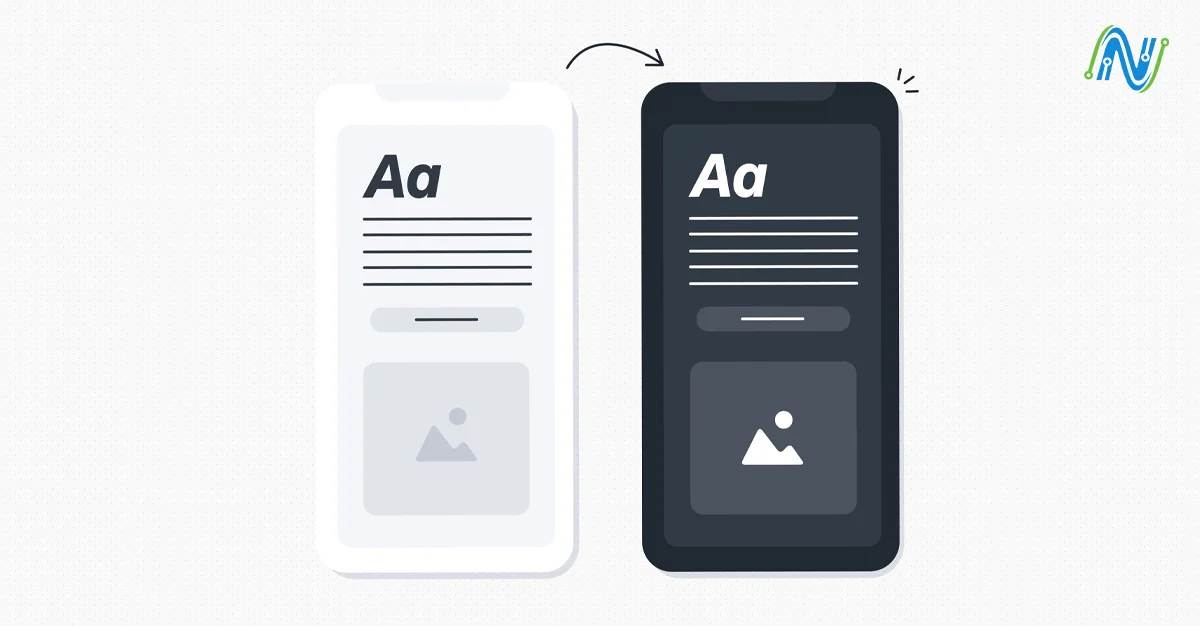
In recent years, dark mode is one of the most popular UX/UI designs. Dark interfaces are also popular with many users since they minimise eye strain particularly in low-light situations. Dark mode makes digital products look premium and modern as well.
Dark mode is now common in mobile applications as well as websites and operating systems. In order to be readable and accessible, designers are keenly choosing color contrasts in order to be visually appealing.
Improved Accessibility with Dark Mode
Dark mode enhances the usability of those users with delicate eyesight or eye pain. When properly applied, it increases usability without interfering with the content clarity. Designers are experimenting on color combinations so that the text can be readable and buttons can be found easily.
This trend also contributes to the battery efficiency on the OLED screens so that it is a feasible option in the hands of mobile users. Dark mode as a concept of accessibility is becoming more and more significant in the field of UI/UX design.
AI-Powered and Personalized User Experiences
AI is changing the experience of consumer interaction with online products. Personalization through AI is one of the best trends of UI/UX design. Consumers now demand experiences that are customized to their needs, behavior and preferences.
Individualized User Interfaces can make the users feel that they are being heard and taken into consideration. This increases involvement and loyalty to the brand.
Smart Interfaces and User Behavior Analysis
AI assists designers to develop intelligent interfaces that respond to the behavior of the users. Individualized navigation pathways, personalized dashboards and content suggestions are amongst examples that enhance the user experience.
The designers can also make the layout and content placement optimization after analyzing the data like browsing history and interaction patterns. This will lead to smooth user experience and enhanced conversion rates.
Voice User Interface and Conversational Design
Voice technology is transforming the resources of interaction with digital platforms. Voice user interfaces gain popularity as a result of the popularity of smart assistants and devices that are voice-enabled. This trend is among the rapidly developing trends of UI/UX design.
Conversational design is aimed at designing natural and intuitive interactions with voices. Digital experiences are easier and more convenient since the user can do things without typing.
Designing for Natural Language Interaction
Voice design must accommodate how people talk and not just how they type. Voice UI design requires such elements as simple commands, clear responses, and natural flow of conversation.
This trend can be particularly handy in the accessibility sphere, where people with physical or visual disabilities can easily engage in the digital products. With the advancement of voice computing, it still will affect UI/UX strategies.
Microinteractions and Subtle Animations.
Microinteractions are tiny pieces of animation or other visual reactions that take place when people use a product. They are important to enhance user interaction and feedback. This is a trend that aims at improving the experience in general without confusing users.
Delicate movements make interfaces more interactive and engaging. They assist the users in learning how to act, and how the system reacts.
Enhancing User Response and Interaction.
Microinteractions direct users on how to perform certain tasks, like how to submit a form, and how to click a button or how to load something. Such small details enhance the usability and minimize confusion.
Properly developed animations also have the effect of establishing emotional associations with users. When properly applied, they make digital products more human and pleasant.
Responsive and Mobile-First Design Strategy
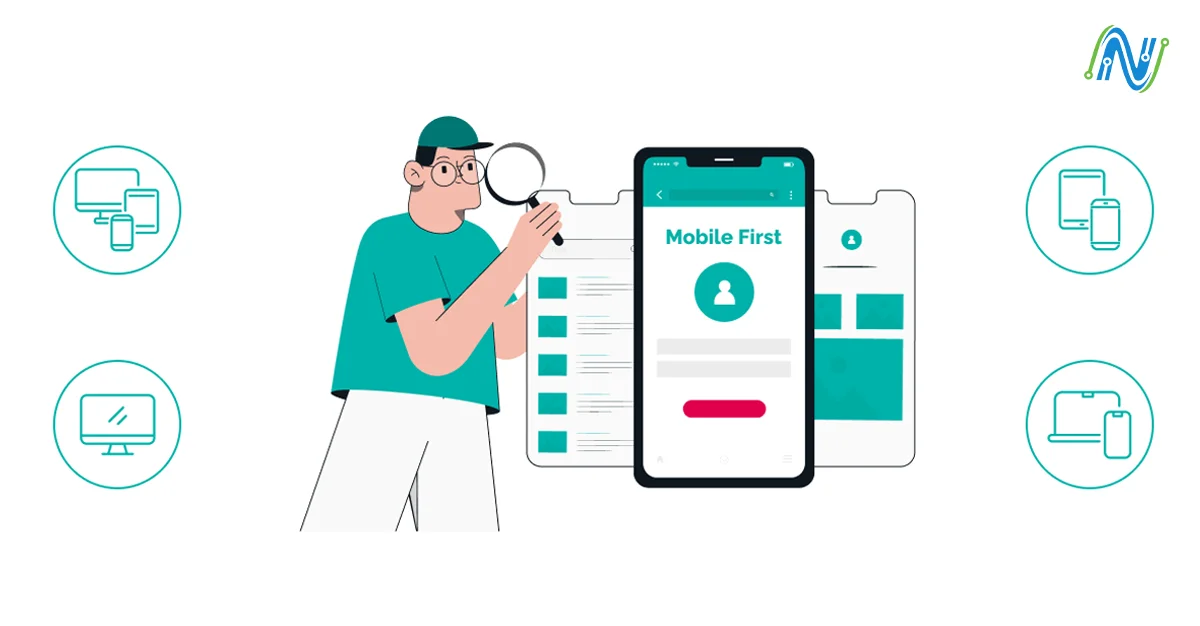
Mobile-first design is one of the fundamental UI/UX trends since the use of mobile is still on the rise. Mobile experiences are being given preference by designers before they expand to bigger screens. This will guarantee an improved performance and usability among devices.
Responsive design enables the content to change to various screen sizes. This is necessary in availing persistent experiences on smartphones, tablets and desktops.
Optimizing UI/UX for Mobile Users
Mobile first design lays emphasis on speed, simplicity and touch point interactions. To enhance the usability of smaller screens, designers minimize the clutter and focus on the most important features.
This is also a trend that is of importance in the field of SEO because Google prefers mobile-friendly websites. An optimized mobile experience will result in higher rankings and a higher user satisfaction.
Inclusive and Accessible Design Practices.
In the contemporary UI/UX design, accessibility is not a choice anymore. Inclusive design is the way of making sure that digital products are accessible to people regardless of their abilities. This direction shows an increasing number of user needs.
Usability is enhanced since everyone can use it and not only people with disabilities. Well-defined navigation, understandable text, and correct contrast are beneficial to everyone.
Designing for a Wider Audience
Designers are pursuing the accessibility standards in order to develop inclusive experiences. Keyboards and screen reader navigation as well as readable font sizes are becoming the order of the day.
Inclusive design further assists companies to target more people and adhere to the rules of accessibility. It develops trust and exhibits social responsibility.
Future Outlook of UI/UX Design Trends
UI/UX design will keep on being user-oriented in the future. With the development of technology, designers will be trying to discover how to make the digital communication process smoother, more interactive, and more personal. It is important to keep up with the current trends in UI/UX design to ensure that a business keeps abreast with the competition in the digital world. The user experience has to be well-crafted not only to enhance engagement, but also to promote long-term increases and brand success.
With the implementation of new UI/UX principles, companies are able to develop online products that fulfill user demands, search engine optimization, and provide actual value to customers. UI/UX design is not a trend itself anymore, but it is a must to achieve digital success.
At NodeSol Corp, we craft exceptional UI/UX solutions that captivate and engage your audience. Our talented designers and experts are dedicated to creating seamless, intuitive, visually stunning digital experiences that leave lasting impressions. Elevate your user experience with NodeSol Corp. Get in touch today to explore the possibilities and embark on a journey of design excellence.


